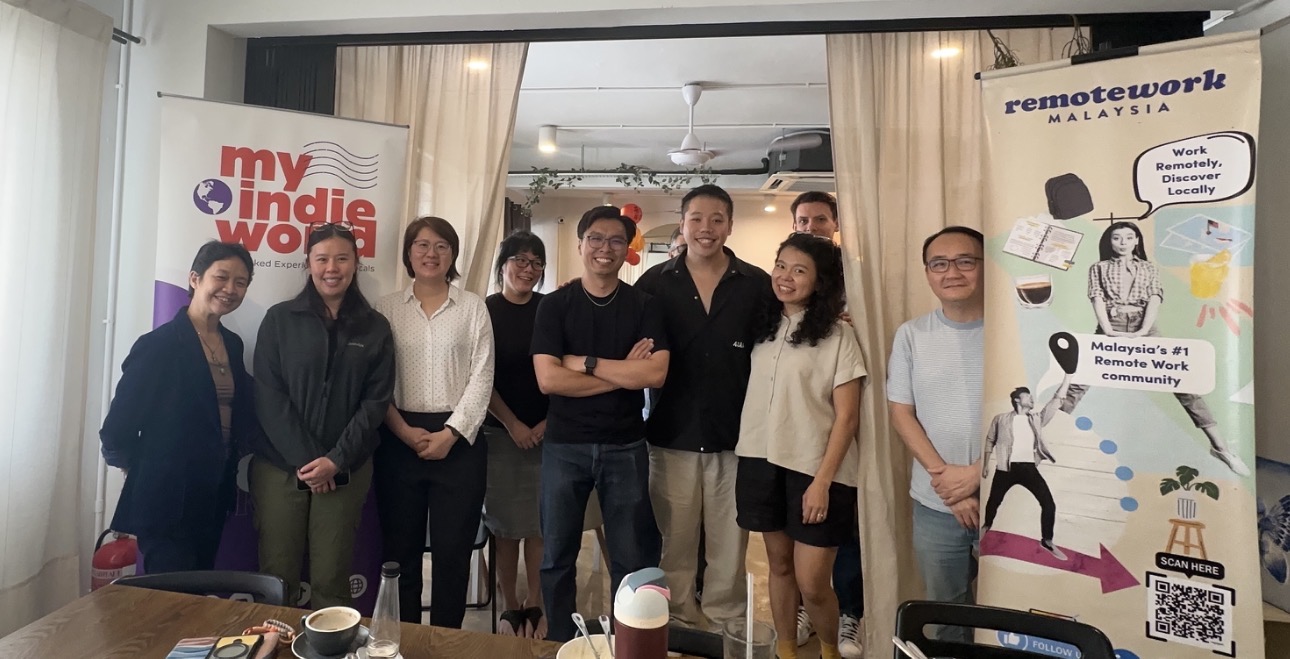
A Place to Work, A Reason to Stay: Work Together Thursday at Ban Ke Cafe @Happy Mansion
There are café owners who look at a laptop and see a low-spending table. Jimmy Fong looked at it and saw a different kind of future.
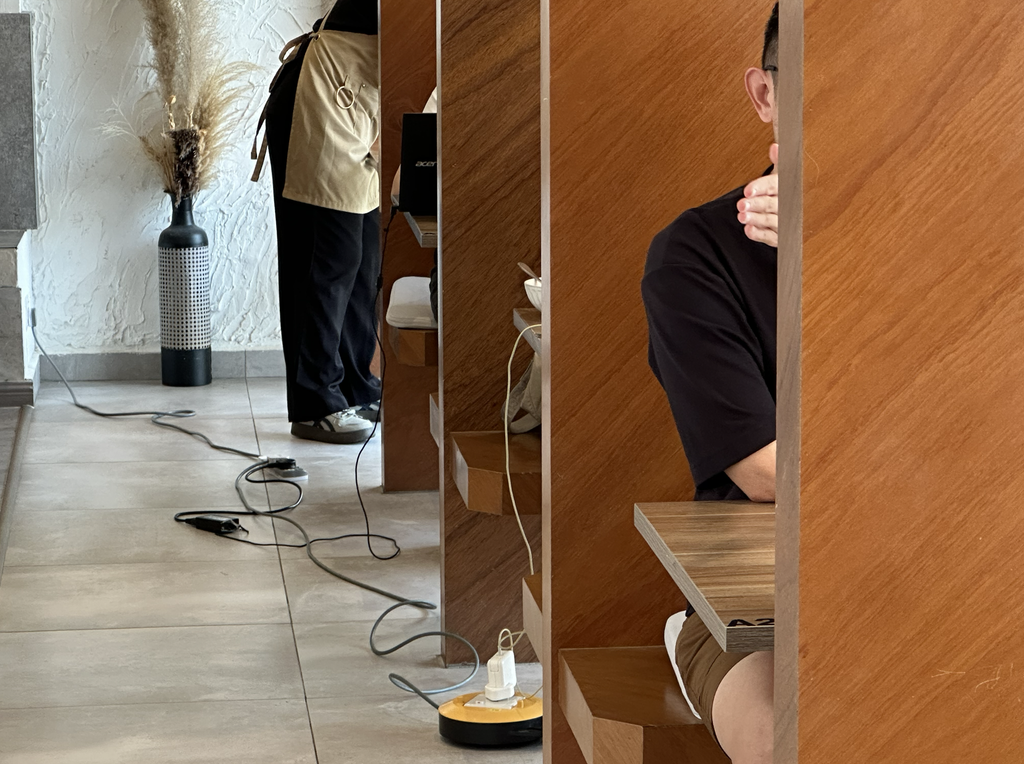
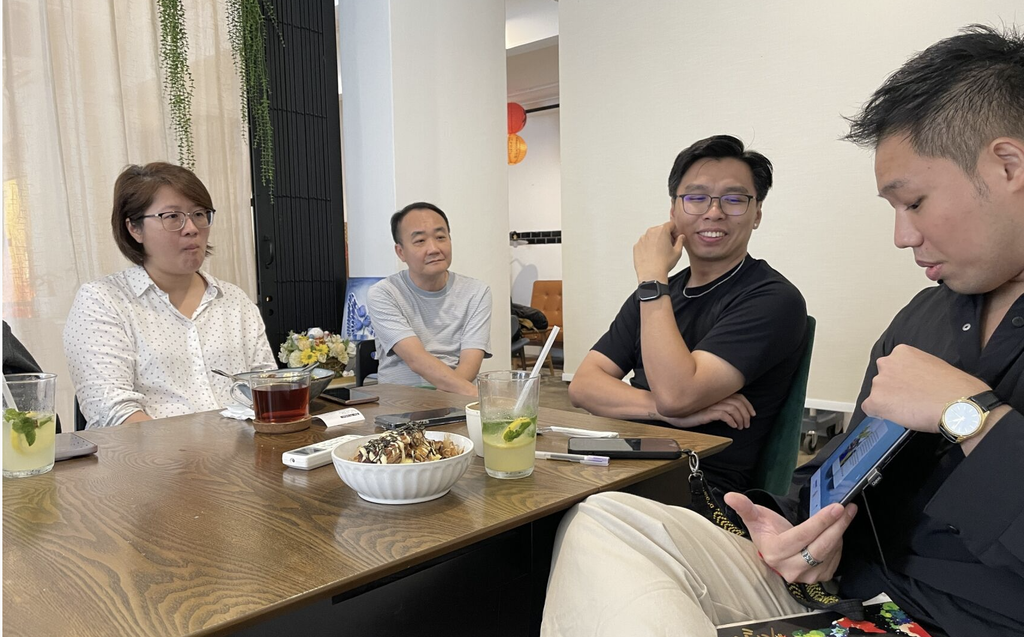
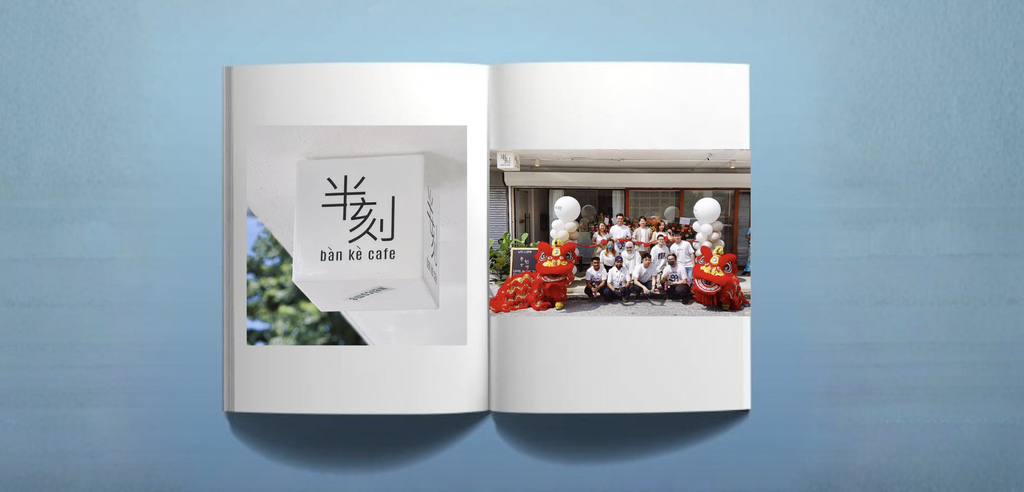
That was what made our recent Work Together Thursday with Ban Ke, co-organised together with My Indie World, feel more meaningful than just another coworking day out. Ban Ke was not chosen by accident. It was handpicked for this gathering because it already carried the kind of spirit that remote workers understand instinctively — open, grounded, welcoming, and shaped by someone who sees work not only as productivity, but as something that can also build community.
What made Jimmy’s sharing land even harder was this: on the very same day, it was also one of the closing days of his Sri Kembangan steamboat shop. Yet he still turned up openly, positively, and without trying to fake a polished founder energy. No glossy speeches. No pretending everything was under control. Just honesty, humour, and the kind of candour that only comes from someone who is self-employed enough to know that every business comes with both adrenaline and unpaid mental rent.
Not every business lesson arrives dressed as motivation
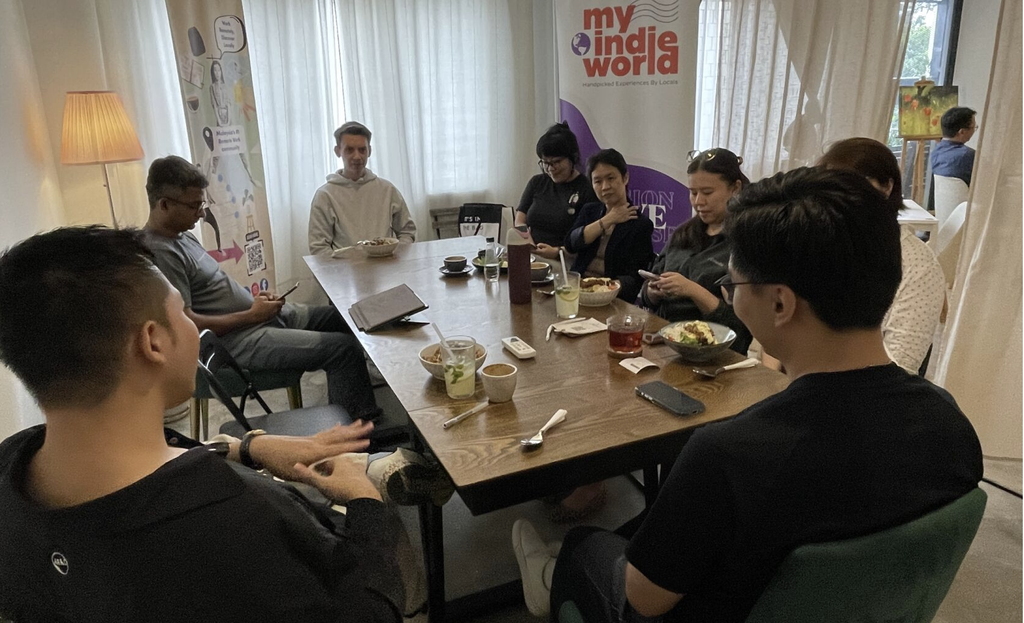
Jimmy did not romanticise entrepreneurship. He put it plainly: “cash flow is blood.”
It was one of those lines that immediately cuts through the nice café atmosphere and reminds everyone in the room that running a business is not only about ideas, aesthetics, or ambition. It is also about sales catching up, suppliers being paid, salaries going out, and not lying awake pretending you are calm when the numbers say otherwise.
He admitted there were sleepless nights, and that there had been times when cash flow could only “tahan” for a month. But what made his story compelling was not the struggle alone. It was how he chose to look at it. Instead of obsessing over panic, he said he would rather focus on making the café better, doing collaboration, and serving customers better, because if you focus on the substance first, the money may eventually follow.
That felt relevant to the remote work community too. Because many people in this world are not just remote workers in the neat corporate sense. They are self-employed in one form or another. Freelancers. Consultants. Creators. Founders. Project jugglers. Side hustlers slowly turning into full-timers. People building income in a changing economy where resilience does not come from one title, but from how adaptable you are when one stream slows down.
Why Ban Ke made sense for this collaboration
This is also why Ban Ke made sense as the venue for this collaboration with Remote Work Malaysia.
Jimmy admitted that opening the café to laptop users was not some grand strategy from day one. At first, there was the usual café dilemma: people opening laptops, taking up space, spending too long over one drink. Many cafés still see that as a threat.
Jimmy chose to see it as a possibility.
As he put it, “we don’t limit laptop usage… since everyone is bringing laptop anyway, we create a working environment for everyone.”
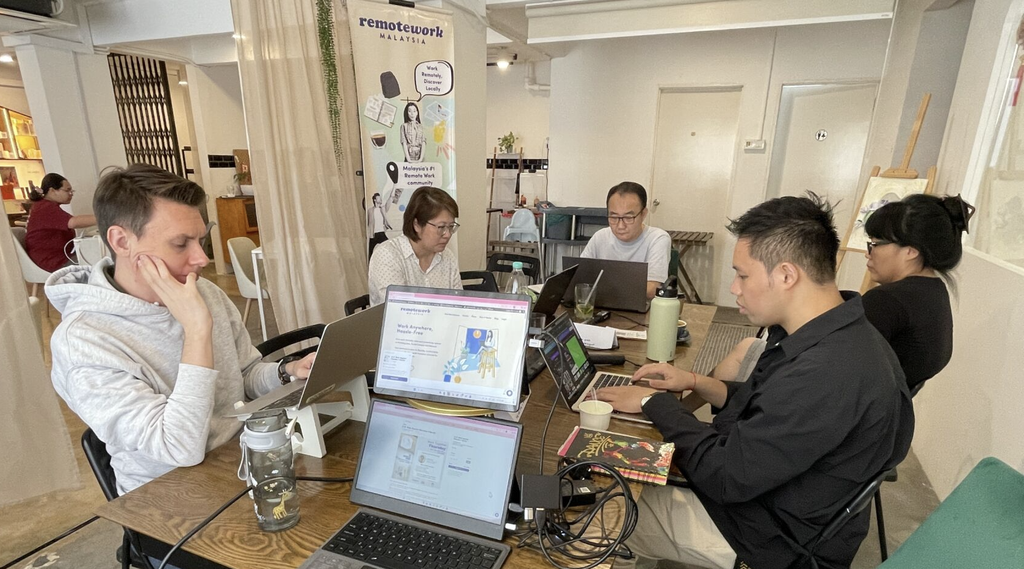
That matters more than it sounds.
Any remote worker knows the silent tension of entering a café and wondering whether you are welcome to stay or merely tolerated until your second drink. A café that intentionally makes room for coworking is doing something quite different. It is not just selling coffee. It is making room for a rhythm of life.
That was exactly why Ban Ke felt right for Work Together Thursday. It already understood something many remote workers are still looking for — not just a place to work, but a place where work, conversation, and community can coexist.
Staying hungry, even when things are already working
What I liked about Jimmy was that even after three years of running the café, he did not sound like someone who had settled into comfort. He sounded alert. Curious. A little restless in the way people are when they know reaching a peak is not the same thing as securing the future.
He spoke honestly about hitting a certain ceiling in the current location and how that in itself brings new worry. Costs go up. Sales do not necessarily follow. So the answer is not to cling harder to the same model. It is to look sideways. Events. Catering. Collaborations. New formats. Different ways of making the business breathe.
That is the kind of hunger that matters now. Not hustle for the sake of hustle, but the willingness to keep asking what else something can become.
And that matters for remote workers too. The future increasingly belongs to people who can move between different worlds — not those who cling too tightly to one fixed version of themselves. Jimmy is not just sitting inside F&B and waiting for life to happen. He is watching, adapting, and looking for opportunities beyond the obvious.
Street-smart beats romantic
Another thing that stood out was how unromantic Jimmy is about risk.
He did not sell the fantasy of bold leaps and blind faith. He said very clearly that they always have a contingency plan and do a risk assessment. If the risk is small enough to swallow, then they move. If not, they do not simply jump and call it courage.
That felt useful, especially in a time when so much online advice glorifies taking the leap, quitting the job, launching the thing, and trusting the process as if practical instinct is somehow less sexy.
Jimmy’s version is better. More grounded. More street-smart.
He also made it clear that if a business is not performing, you cannot drag it forever out of hope. You need to know when to cut loss. Learn fast. Fail fast if needed. That is not pessimism. That is how independent people survive long enough to try again.
Behind Ban Ke is a Chee Cheong Fun education
One of the most quietly telling parts of the conversation was where Jimmy’s standards seem to come from.
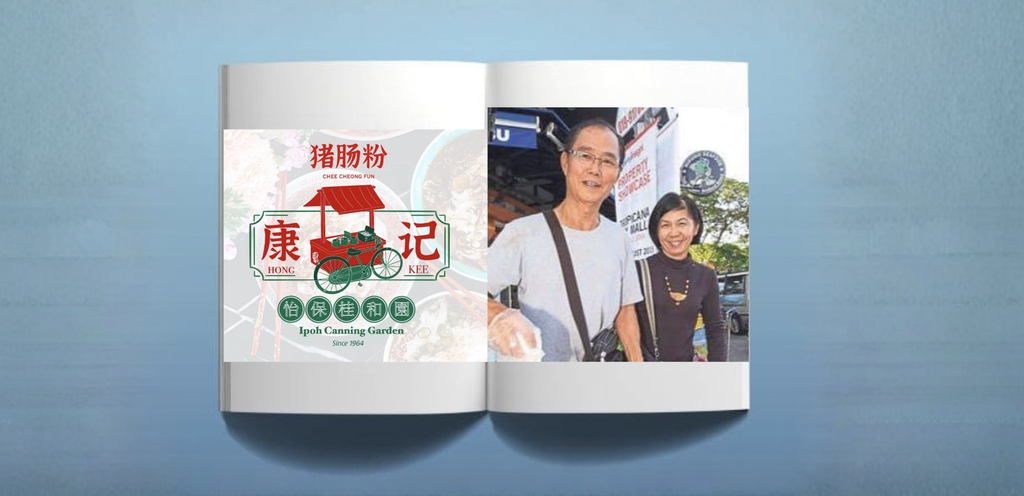
His parents ran a Chee Cheong Fun shop at SS2 for the past four decades, and they would go all the way to Ipoh to get the ingredients right. That detail says a lot. Long before Ban Ke became a place for coffee, laptops, and community, Jimmy had already grown up around a very old-school understanding of quality: if you are going to do something, do it properly.
You can still feel that spirit in the way he talks about hospitality. He was very clear that Ban Ke is not trying to act like some overly influential café with ego. In fact, he said, “our cafe is not special than others” and that “the least we can do is you give every customer that step into our cafe the best food and experience.”
That says a lot about his value system. He is not trying to win by hype alone. He believes the work is in the standard, the welcome, and the consistency.
The softer part of the story is communication
I think this is the thread that gave Jimmy’s sharing more heart.
Because underneath all the talk about business, he was also talking about relationships. About staff. About family. About his daughter. About the need to keep communication alive when work starts swallowing time.
He admitted, quite simply, that he had “not been spending time” with his elder daughter, who is now 18. And then he said something that felt quietly important: that he needs to talk to her “not in a father figure… like a friend thing.” He even joked that she calls him “bro.”
That detail made the whole conversation feel more human.
He also repeated how important communication is, not just at home but in business too. With his team, with his wife, with the people around him. In his words, “communicate is key” and even “communicate over communicate.”
That, to me, is another reason why the Ban Ke story matters to remote workers. Because flexibility does not automatically create balance. You can work for yourself and still realise the people you love are getting the leftovers of your time. You can build your own thing and still need to learn how to speak better, listen better, and stay connected to the people holding life up around you.
More than a café, more than a coworking session
Perhaps that is what I will remember most from this collaboration with Remote Work Malaysia.
Not just that Ban Ke welcomed laptop users before it was fashionable. Not just that Jimmy sees the space as becoming more than F&B — a networking place, a working environment, a community space. Not just that he is practical enough to talk about risk, failure, cash flow, and diversification without dressing it all up in startup sparkle.
But that he showed up on a difficult day and still made room for the conversation.
He spoke as someone self-employed who is still learning how to hold many roles at once — operator, son, husband, father, employer, opportunity-seeker. He showed that staying hungry in business is not only about chasing growth, but about staying open to change. That street-smart thinking is not glamorous, but necessary. That resilience in a changing economy often comes from diversifying your income, your skills, and your perspective. And that spaces matter because they shape how other people get to work, gather, and feel less alone.
And maybe that was the real takeaway from Work Together Thursday with Ban Ke.
Not just that it is a nice place to work from.
But that it was handpicked for a reason — because it reflects the kind of openness, practicality, and human energy that the remote work community needs more of.
This post is contributed by Henry Beh from My Indie World.